Minimalism as the Foundation of Harmony
Understand how removing excess creates mental clarity and emotional balance in your living environment. Discover the profound connection between empty space, intentional design, and inner peace.
The Essence of Less
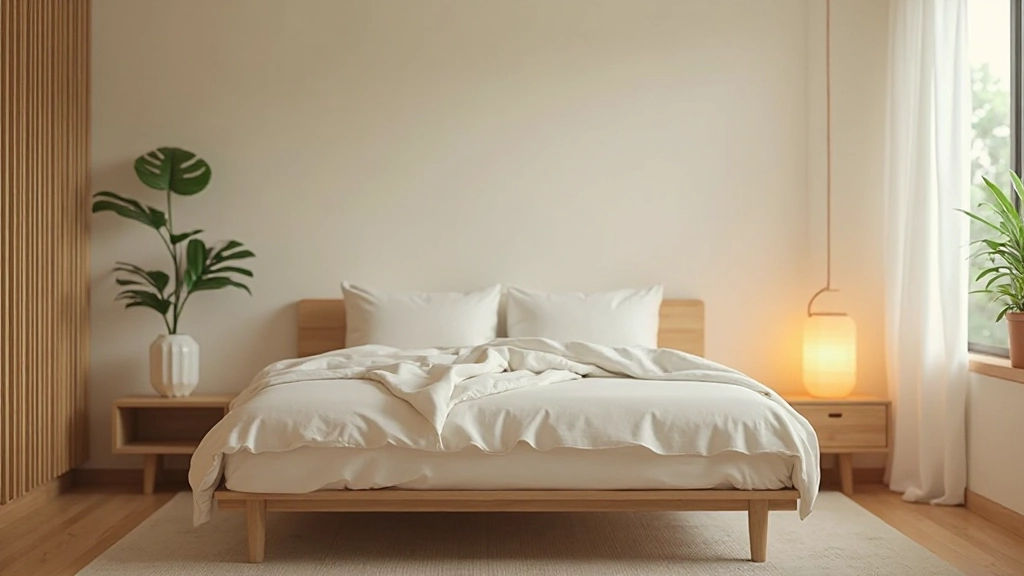
In a world saturated with possessions and constant stimulation, minimalism offers a counterintuitive path to fulfillment. By intentionally removing what doesn't serve us, we create space—both physical and mental—for what truly matters. This isn't about deprivation or austerity. Rather, it's about mindful curation of our environment to reflect our values and support our wellbeing.
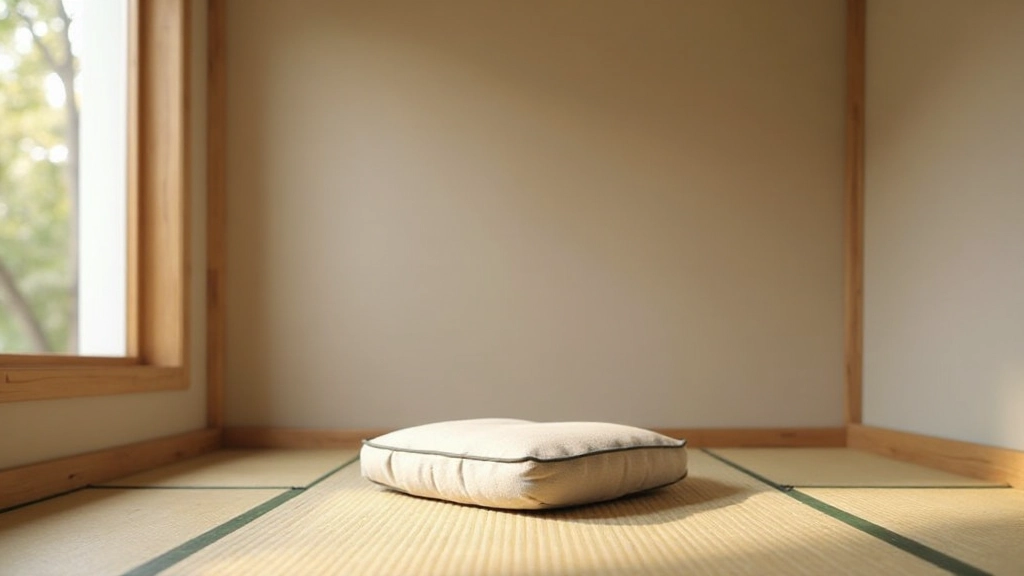
Japanese design principles have long understood this concept. The idea of "ma"—meaningful empty space—recognizes that emptiness itself has power. When we remove visual clutter, our minds settle. When we reduce unnecessary objects, our attention sharpens. This foundational approach transforms not just how our homes look, but how we feel within them.
Mental Clarity Through Physical Simplicity
Our environments profoundly influence our mental state. Research in environmental psychology demonstrates that visual clutter creates cognitive load—our brains must constantly process and filter unnecessary information. Each object in our space, each pattern on a wall, each color competing for attention, demands mental resources.
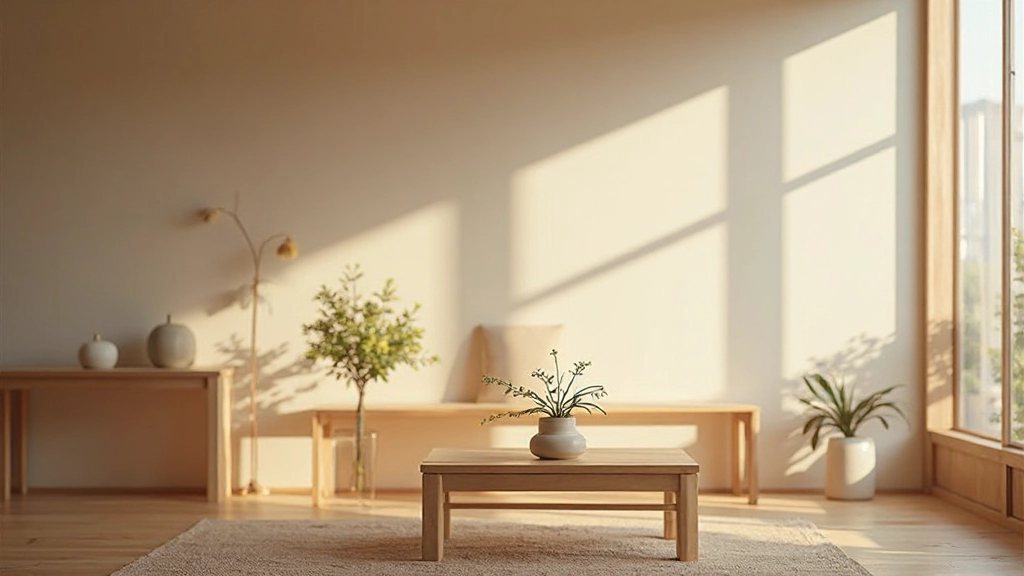
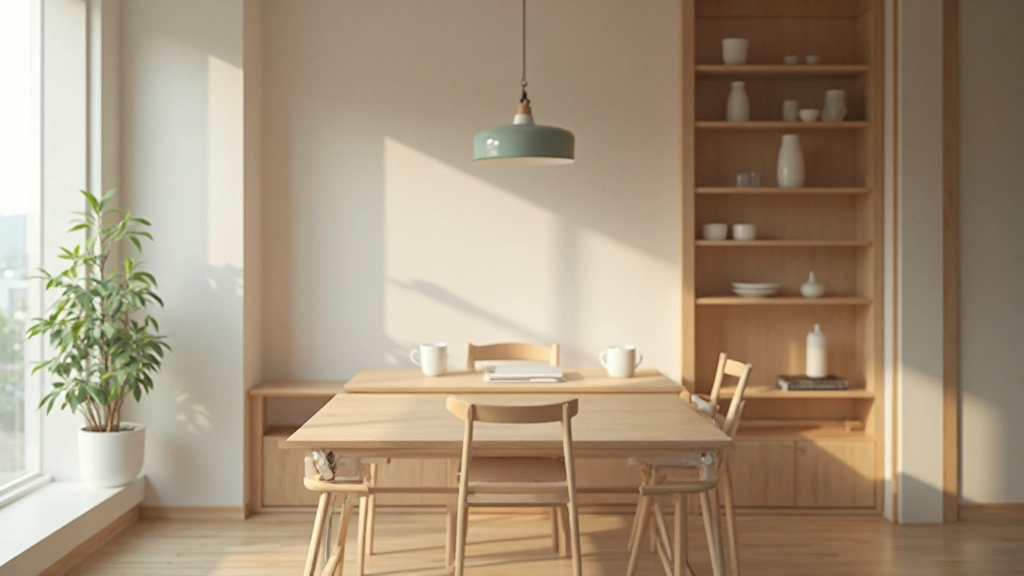
When we embrace minimalism, we reduce this cognitive burden. A room with neutral walls, intentional furniture, and clear surfaces allows our minds to relax. This mental quietness becomes the foundation for focus, creativity, and emotional stability. The clarity we gain isn't merely aesthetic—it's neurological and deeply transformative.
Five Foundations of Minimalist Living
Intentional Selection
Every object should serve a purpose or bring genuine joy. Ask not "why shouldn't I keep this?" but "why should I?" This reversal of perspective ensures only meaningful items remain.
Quality Over Quantity
Fewer, better things create lasting harmony. A single beautiful chair crafted from solid wood outlasts ten disposable alternatives—and brings more joy each time you sit.
Functional Beauty
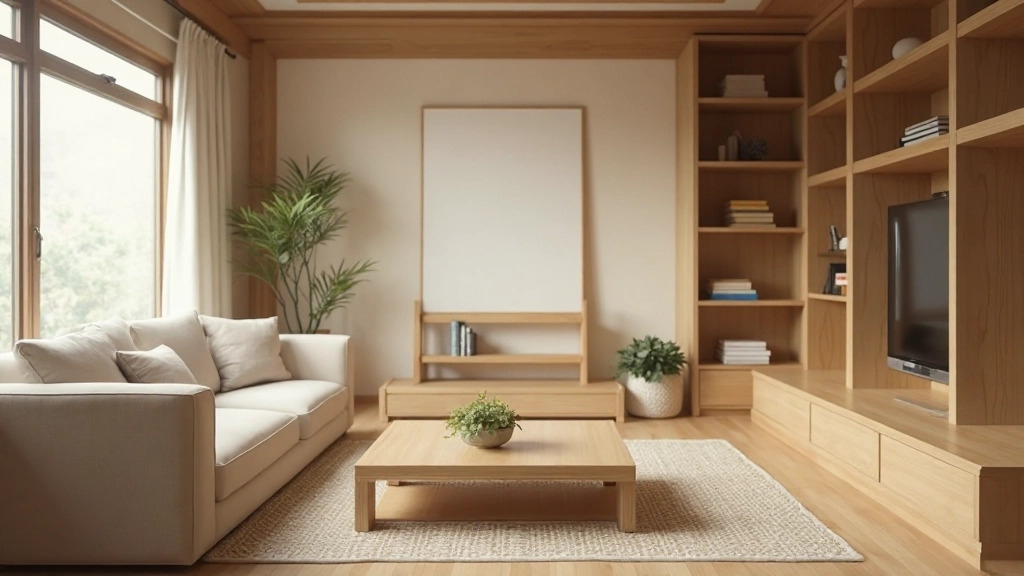
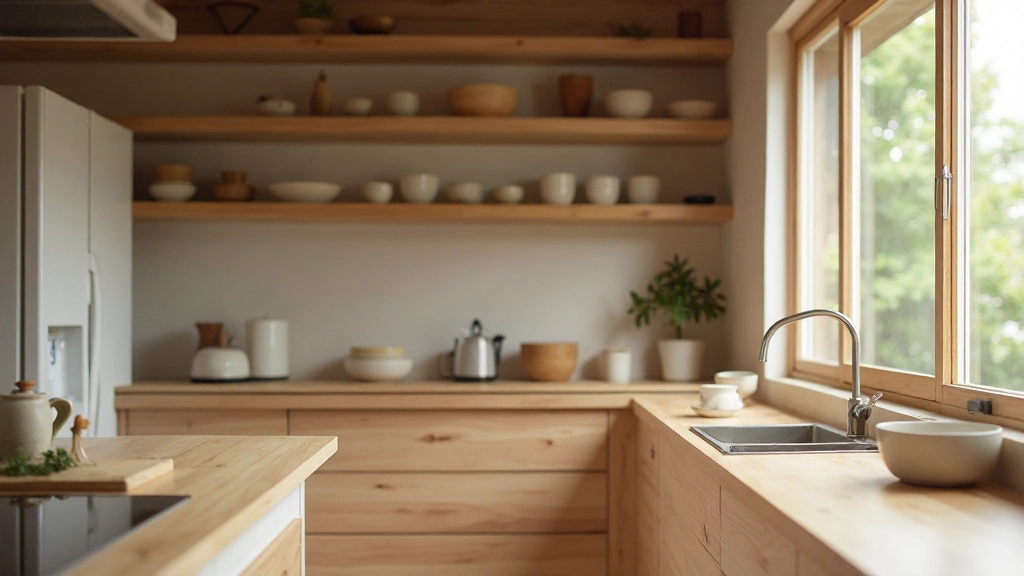
In minimalist spaces, beauty emerges from function. A perfectly designed shelf holds items with breathing room. Natural materials reveal their authentic character without adornment.
Negative Space as Design
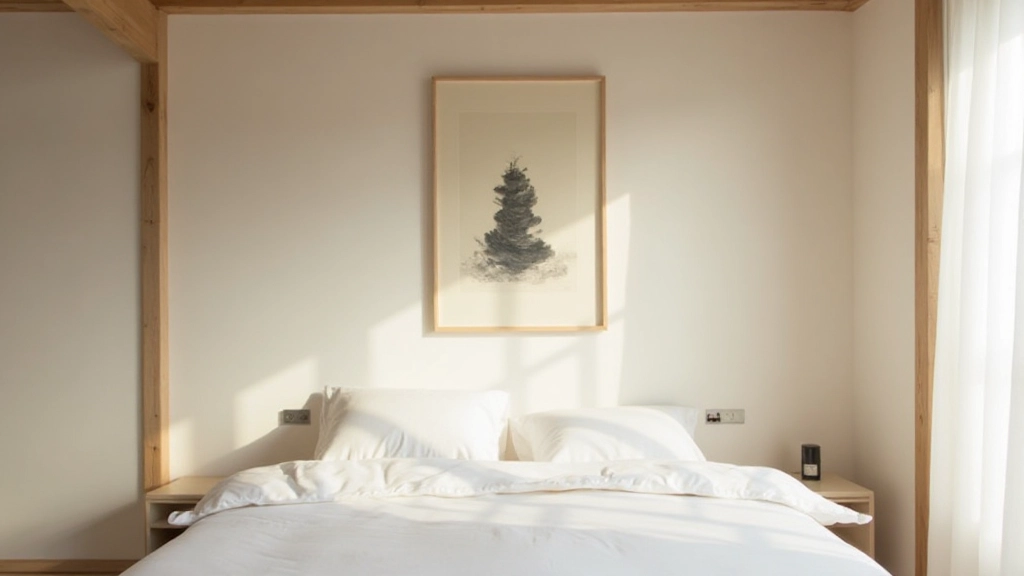
Empty space isn't wasted space—it's the foundation of visual rest. The walls surrounding artwork make the artwork significant. Emptiness creates balance and draws focus.
Authentic Materials
Natural materials—wood, stone, clay, linen—age gracefully and connect us to the earth. These honest materials require no pretense, embodying minimalist authenticity.
Personal Harmony
True minimalism isn't about rigid rules but personal alignment. Your space should reflect your values, rhythm, and what brings you peace—uniquely yours.
The Emotional Impact of Space
When you step into a minimalist room, something shifts. Your shoulders relax. Your breathing deepens. The absence of visual noise allows your nervous system to settle into a parasympathetic state—rest and recovery mode.
This isn't coincidental. Neuroscience shows that our brains process environmental information constantly. In cluttered spaces, this processing never ceases. But in calm, ordered environments, our prefrontal cortex—responsible for executive function, creativity, and emotional regulation—can fully activate. We think more clearly. We feel more grounded.
"The object of a room is not to hold things, but to hold silence. To let the mind settle, like sediment in clear water."
— Principle of Japanese interior philosophy
Implementing Minimalism in Your Home
Begin your journey with practical, thoughtful steps toward meaningful simplicity
Assess Your Current Space
Walk through each room with fresh eyes. Notice what draws your attention positively and what creates subtle tension. Take photos. This baseline helps you recognize transformation.
Define Your Core Values
What matters most in your daily life? Family time? Creative work? Rest? Your minimalist space should support these values. Every remaining object should align with them.
Curate with Intention
Rather than discarding everything, carefully select items that serve function or spark genuine joy. Quality furniture, meaningful art, functional decor. Each piece should earn its place through purpose or beauty.
Embrace Negative Space
Resist the urge to fill every surface. Leave walls mostly bare. Keep shelves with breathing room between objects. This emptiness is not emptiness—it's the foundation of visual harmony and mental peace.
Creating Lasting Harmony
Minimalism is not a destination but a practice. It's not about achieving a perfect empty room, but about continuously asking: "Does this serve me? Does this bring me joy? Does this align with who I am?" As your life evolves, your space evolves with it.
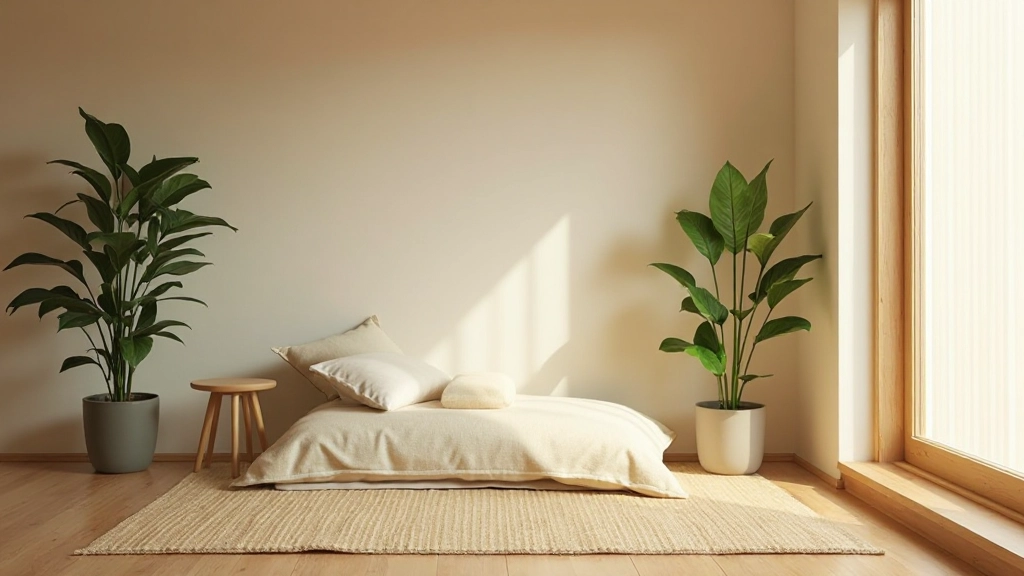
The foundation of harmony lies not in the absence of things, but in the presence of intention. When every object in your home has been chosen with purpose, when your environment reflects your values, something profound shifts. Your space becomes an extension of your inner peace. Your home truly becomes a sanctuary.
This is the true power of minimalism—it's not about having less, but about living more fully with what matters most.
About This Article
This article provides educational information about minimalist design principles and their potential benefits for living spaces and wellbeing. The concepts presented are based on established design principles, environmental psychology research, and traditional Japanese aesthetic philosophy. Individual results and experiences with minimalist design will vary based on personal circumstances, preferences, and living situations. For specific design advice tailored to your unique space, consider consulting with a professional interior designer. This content is informational and does not constitute professional design consultation or therapeutic advice.