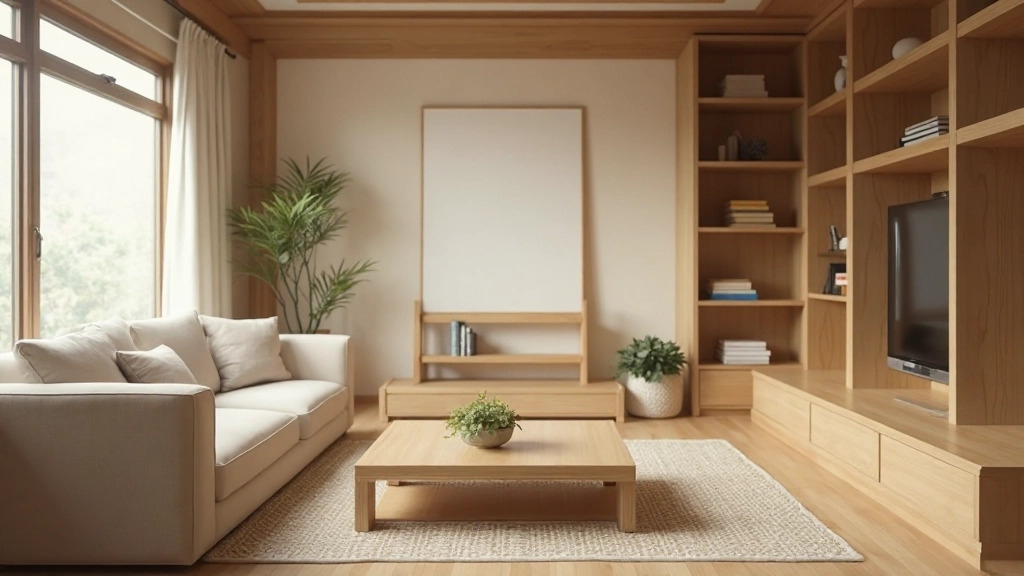

Natural Materials and Wellness in Your Kitchen
Transform daily rituals into mindful moments through authentic materials
5
Core Materials
8
Design Principles
∞
Wellness Benefits
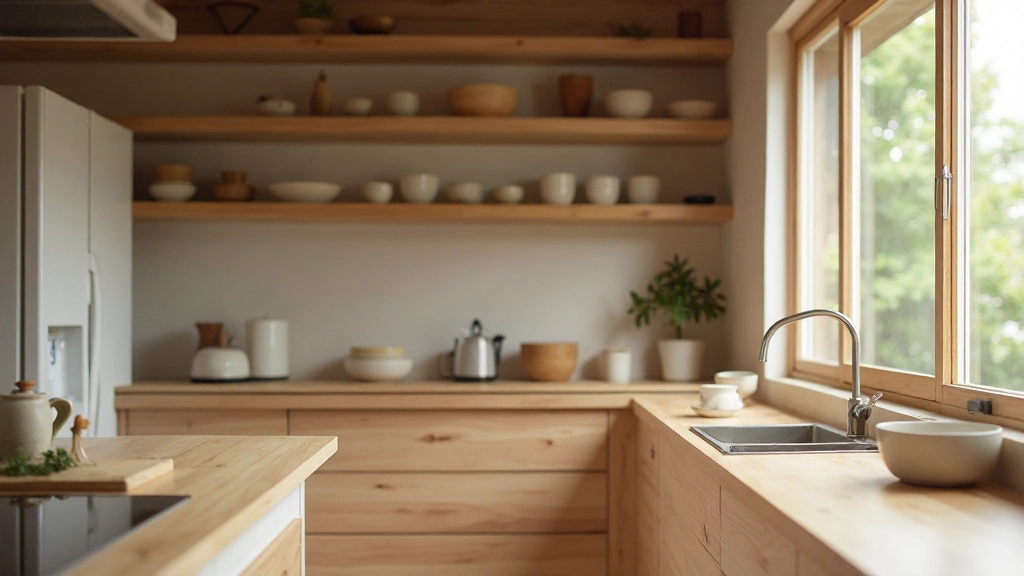
Why Materials Matter in Kitchen Wellness
Your kitchen is more than a functional space—it's a sanctuary where you nourish yourself and loved ones. The materials surrounding you during these intimate moments profoundly influence your sense of calm and well-being. Natural materials like wood, ceramic, stone, and clay carry inherent qualities that connect us to the earth while reducing the mental fatigue caused by synthetic environments.
Japanese design philosophy teaches us that authentic materials possess their own quiet wisdom. When you choose wood that breathes with humidity changes, ceramics that warm in your hands, or stone that grounds your energy, you're not simply selecting ingredients—you're cultivating an atmosphere of intention and presence.

Foundation Elements
The Five Essential Natural Materials
Each material brings distinct qualities that support different aspects of your kitchen wellness practice
Wood
Living material that responds to seasons and moisture, creating organic rhythm. Wood countertops and cutting boards develop character with use, telling the story of your cooking practice.
Stone
Timeless and grounding, stone provides stability and permanence. Granite, marble, and slate surfaces anchor your kitchen, connecting you to earth's ancient strength and reliability.
Ceramic
Handcrafted ceramics embody human intention and artistry. Bowls, dishes, and vessels made from clay carry warmth and invite mindful handling during meal preparation and service.
Clay
Earthy and tactile, clay elements like terra cotta storage or water vessels bring authentic sensory experience. Clay naturally regulates humidity and temperature, supporting environmental wellness.
Natural Fiber
Linen, jute, and cotton textiles add warmth and texture. Natural fiber kitchen linens, mats, and storage solutions create softness while remaining durable and functional for daily use.
Creating Harmony Through Material Selection
01
Choose Authenticity Over Appearance
Select materials that are genuinely what they appear to be. Real wood, not laminate. True ceramic, not synthetic coating. Your body intuitively recognizes authentic materials and responds with deeper relaxation.
02
Embrace Natural Imperfection
Wood grain variations, ceramic glaze irregularities, and stone veining are not flaws—they're signatures of authenticity. These imperfections create visual interest and remind us of nature's organic beauty.
03
Limit Your Material Palette
Harmony emerges from restraint. Choose 2-3 primary materials and let them interact subtly. A kitchen featuring wood, stone, and ceramic creates cohesion without visual overwhelm.
04
Honor Material Durability
Quality natural materials improve with age. Patina on wood, slight chips in ceramic—these signs of use become beauty marks that deepen your relationship with your kitchen over time.
Actionable Steps
Transitioning Your Kitchen Mindfully
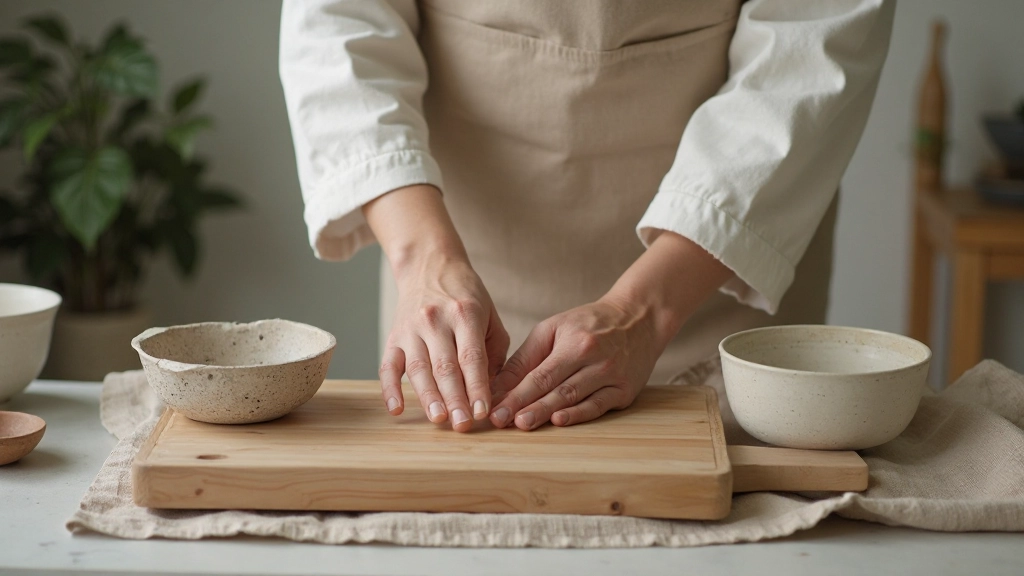
Transforming your kitchen doesn't require replacing everything at once. Begin with intention and observe how each addition affects your daily experience. Small, thoughtful changes create lasting wellness benefits.
"The materials we surround ourselves with become part of our daily meditation. When we choose wisely, our kitchen becomes a teacher of presence."
— Kitchen Design Principle
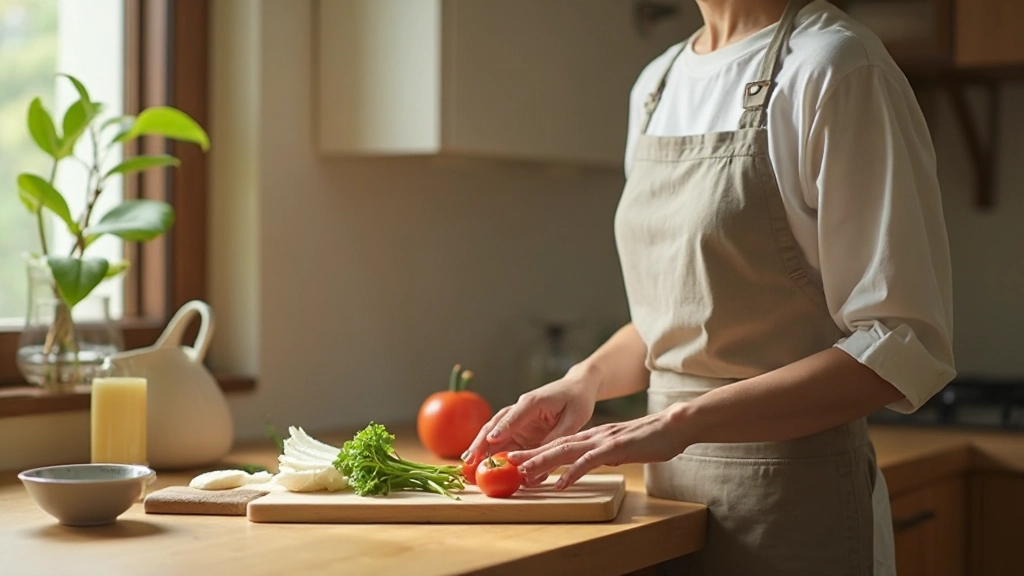
- Start with one element: Replace plastic cutting board with wood, or introduce ceramic dinnerware gradually
- Notice the difference: Observe how natural materials feel in your hands, how they sound, how they age
- Quality over quantity: One beautiful wooden spoon used daily beats a drawer full of synthetic utensils
- Learn material care: Understanding how to maintain natural materials deepens your engagement with them
The Wellness Impact of Your Choices
Beyond aesthetics, natural materials support measurable improvements in kitchen wellness
Reduced Mental Fatigue
Synthetic materials create constant low-level visual stress. Natural materials with organic patterns and textures actually calm your nervous system during daily kitchen tasks.
Enhanced Sensory Experience
Wood's warmth, ceramic's weight, stone's coolness—these tactile sensations engage your body's parasympathetic nervous system, promoting relaxation during food preparation.
Improved Air Quality
Natural materials regulate humidity naturally and don't off-gas synthetic chemicals. Your kitchen environment becomes literally healthier to breathe in and cook within.
Deeper Presence
When surrounded by authentic materials, you naturally become more mindful. The kitchen transforms from a chore space into a sanctuary for nourishment and reflection.
Your Kitchen, Your Sanctuary
The journey toward a wellness-centered kitchen begins with a single intentional choice. When you select a wooden spoon over plastic, reach for ceramic instead of stainless steel, or place stone where laminate once stood, you're not simply making a design decision—you're investing in your daily well-being.
Natural materials remind us that our kitchens are extensions of nature, not replacements for it. Each time you cook, each time you nourish yourself and others, you're surrounded by elements that ground you in authenticity, presence, and calm. This is the quiet power of choosing materials wisely.
Explore More Kitchen Wisdom
Discover how to deepen your kitchen wellness practice through thoughtful design and intentional living.
Browse Related Articles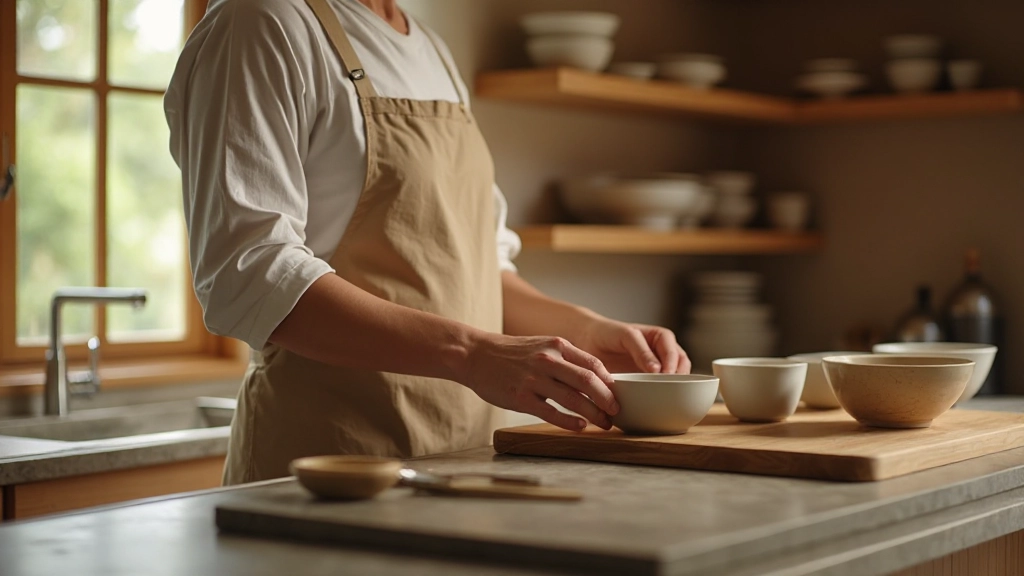
Informational Purpose
This article provides educational information about natural materials in kitchen design and their potential wellness considerations. The suggestions presented are based on design principles and general observations, not medical advice. Individual experiences with materials vary based on personal preferences, allergies, and circumstances. When making significant kitchen renovations, consult with qualified professionals including interior designers and contractors to ensure safety, durability, and compliance with local building codes. Natural materials require specific care and maintenance—research proper upkeep for your chosen materials. This content is intended to inspire thoughtful decision-making about your kitchen environment.